
Tortoise species range from tiny speckled tortoises that stay under 4 inches to giant Aldabra and Galápagos tortoises that can live for more than a century. Tortoises are land-dwelling turtles in the family Testudinidae, but not every tortoise species is realistic, legal, or ethical to keep as a pet.
This guide compares the most important types of tortoises by adult size, native region, habitat type, diet, care difficulty, and pet suitability. Use it as a starting point, then read the full species guide and setup guide before choosing a tortoise.
Quick Answer
The best tortoise species for most beginner keepers are usually captive-bred Russian tortoises, Greek tortoises, Hermann’s tortoises, and some red-footed tortoises when the keeper can provide the right humidity and space.
Small tortoises still need real floor space, UVB, heat, substrate, diet planning, clean water, and long-term care. Large tortoises such as sulcata, leopard, Aldabra, and Galápagos tortoises need major outdoor space and are not casual indoor pets.
Check local laws before buying any tortoise. Wild tortoises should not be collected, and protected species may require permits or may not be legal to keep.

Find the Right Tortoise Species
Use the tortoise species finder below to compare tortoises by adult size, habitat type, beginner fit, care difficulty, diet, and pet suitability. This tool is a starting point. Always read the full species guide and check local laws before choosing a tortoise.
Find the Right Tortoise Species
Search tortoise species by adult size, habitat, beginner fit, region, care needs, and pet suitability.
Tortoise Species at a Glance
This table gives a fast comparison of common and important tortoise species. Adult size, climate, legal status, and enclosure needs matter more than hatchling size.
| Species | Adult size | Native region | Habitat type | Beginner fit | Enclosure direction | Diet type | Legal or care note |
|---|---|---|---|---|---|---|---|
| Speckled tortoise | About 2.4 to 3.9 inches | South Africa | Arid rocky habitat | No | Specialized dry setup | Succulents and native plants | Not a common pet choice |
| Egyptian tortoise | About 5 inches | North Africa and eastern Mediterranean region | Semi-arid and desert edge | No | Specialized dry setup | Herbivore | Small but sensitive and conservation-sensitive |
| Russian tortoise | About 5 to 10 inches | Central Asia | Dry steppe and semi-desert | Good | Tortoise table or outdoor pen | High-fiber herbivore | Choose captive-bred when possible |
| Greek tortoise | About 5 to 11 inches | Mediterranean and nearby regions | Dry scrub and rocky habitat | Good to moderate | Tortoise table or outdoor pen | High-fiber herbivore | Subspecies can affect care |
| Hermann’s tortoise | Often about 6 to 8 inches | Southern Europe and Balkans | Mediterranean scrub and woodland edge | Good | Tortoise table or outdoor pen | High-fiber herbivore | Popular captive-bred pet tortoise |
| Pancake tortoise | About 7 inches | East Africa | Rocky outcrops | Moderate to advanced | Escape-proof rocky setup | Herbivore | Flat shell and climbing behavior need special care |
| Red-footed tortoise | About 12 to 16 inches | Northern South America | Tropical forest edge | Good to moderate | Humid indoor or outdoor setup | Omnivorous forest tortoise diet | Needs humidity and varied diet |
| Leopard tortoise | Often 18 to 27 inches | Eastern and southern Africa | Dry grassland and savanna | No for most beginners | Large outdoor enclosure | Grass-heavy herbivore | Large adult size and space needs |
| Sulcata tortoise | Often 24 to 33 inches | Sahel region of Africa | Dry grassland and scrub | No for most homes | Large secure outdoor enclosure | Grass-heavy herbivore | Very large, strong, and digging species |
| Aldabra tortoise | Often 48 inches or more | Aldabra Atoll | Island grassland and scrub | No | Zoo-scale outdoor space | Herbivore | Giant species with extreme space needs |
| Galápagos tortoise | Often 24 to 59 inches | Galápagos Islands | Island habitat | No | Conservation or zoo setting | Herbivore | Not a normal pet tortoise |

What Is a Tortoise?
A tortoise is a land-dwelling turtle in the family Testudinidae. Tortoises are adapted for walking on land, with sturdy legs, short feet, and domed shells in most species.
Tortoises do not need aquariums filled with water. They need floor space, safe substrate, heat, UVB, hides, drinking water, and a species-appropriate diet. Aquatic turtles need a water-filled tank instead, so use the Turtle Tank Setup Guide for aquatic species and the Tortoise Setup Guide for tortoises.
For enclosure planning, the Turtle Tank Size Calculator includes tortoise floor-space estimates.
Tortoise Species vs Tortoise Breeds
Many people search for tortoise breeds, but tortoises are usually discussed by species, subspecies, and populations. For example, Russian tortoises, Greek tortoises, Hermann’s tortoises, and red-footed tortoises are species or species groups, not dog-style breeds.
This matters because care can change by species and sometimes by subspecies or origin. A Mediterranean tortoise, a tropical forest tortoise, and a giant grassland tortoise should not all be kept the same way.
Best Tortoise Species for Beginners
The best beginner tortoise species are usually smaller, captive-bred, legally available, and well understood in captivity. Beginner-friendly does not mean low-maintenance.
| Rank | Species | Why it works | Adult size | Care difficulty | Best climate or setup | Who should skip it |
|---|---|---|---|---|---|---|
| 1 | Russian tortoise | Small, hardy, and common in captive care | About 5 to 10 inches | Moderate | Dry tortoise table or secure outdoor pen | Keepers who cannot provide digging substrate |
| 2 | Hermann’s tortoise | Manageable size and popular captive-bred availability | Often about 6 to 8 inches | Moderate | Mediterranean-style setup | Keepers who want frequent handling |
| 3 | Greek tortoise | Good pet choice when subspecies needs are understood | About 5 to 11 inches | Moderate | Dry, warm setup with seasonal planning | Keepers who cannot confirm subspecies or source |
| 4 | Red-footed tortoise | Interactive forest tortoise when humidity and diet are correct | About 12 to 16 inches | Moderate | Warm, humid indoor or outdoor setup | Keepers in very dry homes without humidity control |
| 5 | Marginated tortoise | Hardy Mediterranean tortoise for keepers with space | About 12 to 14 inches | Moderate | Larger tortoise table or outdoor pen | Keepers who need a very small tortoise |

Small Tortoise Species
Small tortoises can be easier to house than giant species, but they still need real space and careful husbandry. A tiny tortoise is not a tiny-care animal.


| Species | Adult size | Care difficulty | Indoor or outdoor potential | Important caution |
|---|---|---|---|---|
| Speckled tortoise | About 2.4 to 3.9 inches | Advanced | Specialist setup only | Tiny but not a casual pet species |
| Egyptian tortoise | About 5 inches | Advanced | Specialized indoor setup | Sensitive and conservation-sensitive |
| Russian tortoise | About 5 to 10 inches | Moderate | Indoor table or outdoor pen | Needs digging space and a dry setup |
| Hermann’s tortoise | Often about 6 to 8 inches | Moderate | Indoor table or outdoor pen | Needs long-term UVB and heat planning |
| Pancake tortoise | About 7 inches | Moderate to advanced | Rocky indoor or outdoor setup | Excellent climber and escape risk |
Read Small Tortoises for a deeper guide to compact tortoise options.
Medium Tortoise Species
Medium tortoises are often the practical limit for many homes. They need more floor space, stronger enclosures, and more long-term planning than small Mediterranean species.

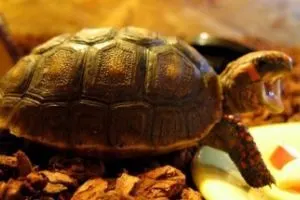
Medium species include red-footed tortoises, yellow-footed tortoises, marginated tortoises, Indian star tortoises, Burmese star tortoises, elongated tortoises, impressed tortoises, and many hingeback tortoises.
These species are not interchangeable. Red-footed and yellow-footed tortoises need warmer, more humid conditions than many Mediterranean tortoises. Star tortoises can be sensitive and expensive. Hingeback tortoises and elongated tortoises may need more specialized humidity and diet planning.
Large and Giant Tortoise Species

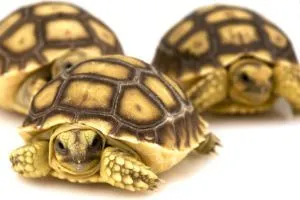
Large and giant tortoise species need major space, secure outdoor housing, strong fencing, shade, diet planning, and long-term care. Many people buy hatchlings without understanding how large they will become.
| Species | Adult size | Space needs | Beginner suitability | Why it is difficult |
|---|---|---|---|---|
| Leopard tortoise | Often 18 to 27 inches | Large outdoor enclosure | Low for most beginners | Large size, diet, and climate needs |
| Sulcata tortoise | Often 24 to 33 inches | Large secure outdoor enclosure | Low for most homes | Digging, strength, food intake, and adult size |
| Aldabra tortoise | Often 48 inches or more | Zoo-scale or estate-scale outdoor space | Not suitable for most homes | Extreme size, cost, and long lifespan |
| Galápagos tortoise | Often 24 to 59 inches | Conservation or zoo-scale setting | Not a normal pet | Legal, conservation, and giant care needs |

Mediterranean Tortoises

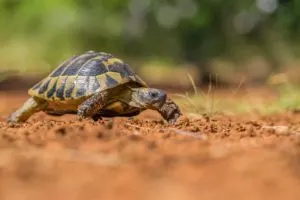
Mediterranean tortoises include Russian tortoises, Greek tortoises, Hermann’s tortoises, marginated tortoises, and Egyptian tortoises. These tortoises often need dry, warm conditions, safe digging substrate, strong UVB, and a high-fiber plant diet.
Russian, Greek, and Hermann’s tortoises are usually the most realistic options in this group for many keepers. Egyptian tortoises are small, but they are more sensitive and should not be treated as an easy beginner pet.
African Tortoises


African tortoises include speckled tortoises, pancake tortoises, hingeback tortoises, leopard tortoises, sulcata tortoises, and several rare or conservation-sensitive species. See African Tortoises for a regional overview.
Care needs vary widely. A pancake tortoise is a flat-shelled rock dweller. A sulcata tortoise is a giant burrowing grassland species. A hingeback tortoise may need warmer and more humid care than a Mediterranean tortoise.
Asian Tortoises

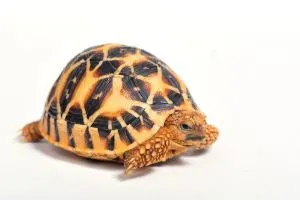
Asian tortoises include Indian star tortoises, Burmese star tortoises, elongated tortoises, impressed tortoises, and Burmese mountain tortoises. Many are attractive, but several have conservation, import, cost, or specialized care concerns.
Choose captive-bred animals from legal sources only. Do not treat star tortoises or rare Asian tortoises as casual beginner purchases.
North American Tortoises


North American tortoises include desert tortoises, Texas tortoises, and gopher tortoises. These species often have legal restrictions and should not be collected from the wild.
Desert tortoise adoption rules vary by state. Gopher tortoises are protected where they occur. Check state wildlife rules before touching, moving, collecting, buying, or keeping any native tortoise.
South American Tortoises
South American tortoises include red-footed tortoises and yellow-footed tortoises. These are tropical forest-edge tortoises that need more humidity than Mediterranean species.
Red-footed tortoises are more common in captivity and can be good pets for keepers who provide humidity, warmth, space, and a varied diet. Yellow-footed tortoises are often larger and more humidity dependent.
Island Giant Tortoises


Island giant tortoises include Aldabra tortoises and Galápagos tortoises. They are famous, long-lived, and impressive, but they are not realistic pets for most people.
These tortoises need extreme space, specialized diet planning, secure outdoor management, and long-term succession planning. They belong in conservation programs, zoos, sanctuaries, or rare private settings with the correct permits and resources.
Tortoise Species by Habitat Type
Habitat type is one of the most important ways to avoid care mistakes. A tortoise from a dry steppe, a tropical forest edge, and an island grassland will not need the same humidity, diet, or enclosure design.
| Habitat type | Example species | Humidity tendency | Diet tendency | Enclosure note |
|---|---|---|---|---|
| Mediterranean scrub | Greek, Hermann’s, marginated | Lower to moderate | Weeds, grasses, leafy plants | Dry basking zone and deep digging substrate |
| Dry steppe and semi-desert | Russian, Egyptian | Lower | High-fiber weeds and grasses | Dry setup with correct hydration and hides |
| Tropical forest edge | Red-footed, yellow-footed, elongated | Higher | Plants, fruit in moderation, some animal protein by species | Warm and humid with hides and safe plants |
| Open grassland and savanna | Sulcata, leopard | Lower to moderate by age and species | Grass-heavy grazing diet | Large outdoor space and secure fencing |
| Rocky outcrops | Pancake tortoise | Lower to moderate | Dry grasses and vegetation | Rock hides and strong escape prevention |
| Island grassland and scrub | Aldabra, Galápagos | Outdoor climate dependent | Grazing herbivore | Giant outdoor habitat and expert care |

Tortoise Species by Care Difficulty
Care difficulty is not only about personality. Adult size, climate, legal status, diet, humidity, sourcing, and enclosure cost all matter.
| Species | Size challenge | Water and humidity needs | Diet complexity | Legal caution | Overall beginner fit |
|---|---|---|---|---|---|
| Russian tortoise | Low to moderate | Lower humidity | Moderate | Check source | Good with correct setup |
| Greek tortoise | Low to moderate | Varies by subspecies | Moderate | Check source | Good to moderate |
| Hermann’s tortoise | Low to moderate | Mediterranean care | Moderate | Check source | Good with correct setup |
| Red-footed tortoise | Moderate | Higher humidity | Moderate to higher | Check source | Good to moderate |
| Indian star tortoise | Moderate | Warm, stable care | Moderate | Higher caution | Moderate to advanced |
| Leopard tortoise | High | Dry grassland planning | Moderate | Check source | Low for beginners |
| Sulcata tortoise | Very high | Outdoor shelter planning | High-volume grazing diet | Check local rules | Low for most homes |
| Radiated tortoise | Moderate | Specialized care | Moderate | Very high | Not a casual pet |
| Gopher tortoise | Moderate | Native habitat species | Native plant diet | Very high | Not a casual pet |
Tortoise Species to Avoid for Most Beginners
Some tortoises are beautiful, famous, or tiny, but still poor choices for most new keepers.

| Species | Why people want it | Main problem | Better alternative |
|---|---|---|---|
| Sulcata tortoise | Common hatchlings and friendly personality | Huge adult size and digging | Russian or Hermann’s tortoise |
| Leopard tortoise | Beautiful shell and gentle nature | Large size and outdoor space needs | Greek or Hermann’s tortoise |
| Aldabra tortoise | Giant tortoise appeal | Extreme space and cost | Do not choose as a normal pet |
| Galápagos tortoise | Famous giant species | Conservation, legality, and giant care needs | Do not choose as a normal pet |
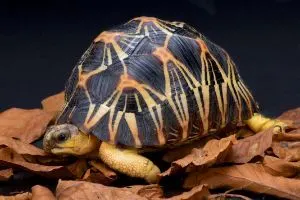
| Radiated tortoise | Beautiful star pattern | Conservation and legal concerns | Captive-bred Hermann’s or Greek tortoise |
| Angonoka tortoise | Rare and unique appearance | Extreme conservation concern | Do not choose as a pet |
| Desert tortoise | Native desert species | Legal restrictions and wild collection concerns | Adopt only through legal state programs where allowed |
| Gopher tortoise | Native North American tortoise | Protected species | Do not collect or keep casually |
| Egyptian tortoise | Very small adult size | Sensitive care and conservation concerns | Russian or Hermann’s tortoise |
| Indian star tortoise | Beautiful shell pattern | Cost, sourcing, and stable care needs | Russian or Hermann’s tortoise for beginners |
How to Choose the Right Tortoise Species
Choose a tortoise species by adult needs, not hatchling size. Before buying, answer these questions.
- How large will this tortoise get as an adult?
- Can I provide enough floor space for decades?
- Does this species need dry, moderate, or humid conditions?
- Can I provide UVB, heat, shade, and safe substrate?
- Can I feed the correct diet every week?
- Is this species legal where I live?
- Is the tortoise captive-bred from a reputable source?
- Can I afford veterinary care from an experienced reptile veterinarian?
- What happens to the tortoise if it outlives me?
For pet-focused comparisons, read Best Pet Tortoises and Tortoises as Pets.
Basic Tortoise Care by Species Type
This page is a species hub, so use these notes as a starting point. The full care setup belongs in the Tortoise Setup Guide.
| Care area | Mediterranean species | Forest species | Grassland giants |
|---|---|---|---|
| Examples | Russian, Greek, Hermann’s, marginated | Red-footed, yellow-footed, elongated | Sulcata, leopard, Aldabra |
| Space | Large tortoise table or outdoor pen | Warm and humid pen or table | Large outdoor enclosure |
| Humidity | Lower to moderate by species and age | Higher and more stable | Varies by species and age |
| Diet | Weeds, grasses, leafy greens, safe flowers | Leafy plants, fruit in moderation, species-specific protein if appropriate | Grass-heavy grazing diet |
| Lighting | UVB and basking heat indoors | UVB and warm gradient indoors | Sunlight plus safe heated shelter where needed |
| Substrate | Diggable and species appropriate | Moisture-holding substrate and hides | Outdoor soil, grazing, and shelter planning |
Diet guides to use next include What Do Tortoises Eat?, Tortoise Safe Plants, and Best Cuttlebone for Tortoises.
Legal and Conservation Notes
Always check local, state, national, and international laws before buying, selling, importing, breeding, or keeping any tortoise. Many tortoise species are protected, endangered, restricted, or covered by international trade rules.
Wild tortoises should not be collected. Captive-bred tortoises from legal sources are preferred where keeping the species is allowed.
| Species or group | Concern | What the reader should do |
|---|---|---|
| Testudinidae tortoises | International trade rules may apply | Check CITES, national law, and seller paperwork |
| Gopher tortoise | Protected across its range | Do not collect, move, or keep without legal direction |
| Desert tortoise | State rules and adoption programs apply | Use legal adoption programs where allowed |
| Radiated tortoise | Conservation and trade concerns | Do not buy without clear legal documentation |
| Angonoka tortoise | Extreme conservation concern | Do not treat as a pet option |
| Galápagos tortoise | Giant conservation species | Not a normal pet tortoise |
| Aldabra tortoise | Giant species with trade and space issues | Only for expert, legal, long-term facilities |
| Texas tortoise | Native species restrictions may apply | Check state wildlife agency rules |

When to See a Vet
Find a reptile veterinarian before you need one. Tortoises often hide illness until problems become serious.
- Loss of appetite that does not match normal seasonal behavior
- Weight loss or failure to grow
- Swollen or closed eyes
- Nasal discharge
- Wheezing, clicking, or open-mouth breathing
- Soft shell, shell cracks, shell rot, or shell injuries
- Severe pyramiding or rapid shell deformity
- Diarrhea, runny stool, or parasites in stool
- Lethargy, weakness, or inability to walk normally
- Bites, burns, predator injuries, or fall injuries
Helpful health guides include Turtle First Aid, Pyramiding in Tortoises, and Fat Tortoises.
Related AllTurtles Guides
- Tortoise Setup Guide
- Turtle Tank Size Calculator
- Small Tortoises
- Best Pet Tortoises
- Tortoises as Pets
- What Do Tortoises Eat?
- Tortoise Safe Plants
- Do Tortoises Hibernate?
- How Long Do Tortoises Live?
- Outdoor Tortoise Enclosure
- DIY Tortoise Table
- Testudinidae
- Turtle vs Tortoise
- Difference Between Turtle and Tortoise
- Turtle Species
Sources and Further Reading
- Animal Diversity Web, Testudinidae
- IUCN TFTSG, Turtles of the World Checklist
- CITES Appendices, Testudinidae listings
- U.S. Fish and Wildlife Service, Gopher Tortoise
- Arizona Game and Fish, Desert Tortoise Adoption Information
- Long Island Avian and Exotic Vet Clinic, Tortoise Care Guide
FAQ
How many tortoise species are there?
The exact number depends on the taxonomy source. Animal Diversity Web describes Testudinidae as roughly 40 to 50 species, while modern turtle checklists track changing turtle and tortoise taxonomy over time.
What are the most common pet tortoise species?
Common pet tortoise species include Russian tortoises, Greek tortoises, Hermann’s tortoises, red-footed tortoises, sulcata tortoises, leopard tortoises, pancake tortoises, Egyptian tortoises, marginated tortoises, and Indian star tortoises.
What is the best tortoise species for beginners?
For many keepers, a captive-bred Russian tortoise, Hermann’s tortoise, or Greek tortoise is a good starting point. Red-footed tortoises can also work for keepers who can provide warmth, humidity, space, and a varied diet.
What is the smallest tortoise species?
The speckled tortoise is often described as the smallest tortoise species. Its small size does not make it a common beginner pet.
What is the largest tortoise species?
Galápagos tortoises and Aldabra tortoises are among the largest living tortoises. They are giant species that require specialist facilities and are not normal pet tortoises.
Are tortoise breeds the same as tortoise species?
No. People often search for tortoise breeds, but tortoises are usually identified by species, subspecies, and population. Species identity matters because care needs can differ greatly.
Which tortoise species are not good pets?
Most beginners should avoid sulcata tortoises, leopard tortoises, Aldabra tortoises, Galápagos tortoises, radiated tortoises, angonoka tortoises, desert tortoises, gopher tortoises, Texas tortoises, and many rare or wild-caught species.
Can tortoises live indoors?
Some smaller tortoise species can live indoors in a large tortoise table when heat, UVB, substrate, humidity, and diet are correct. Large tortoises usually need secure outdoor space.
Do tortoises need water?
Yes. Tortoises need access to clean drinking water and many benefit from safe soaking. They do not need deep aquarium water like aquatic turtles.
Are desert tortoises legal to keep?
It depends on where you live and how the tortoise was obtained. In many places, wild desert tortoises cannot be collected. Use state wildlife guidance and legal adoption programs where available.
Final Thoughts
A tortoise species guide should help readers compare adult size, habitat, legality, and care needs before choosing a pet. The right tortoise is not always the smallest or most beautiful one.
For most homes, start with captive-bred, legally available species with well-known care, such as Russian, Greek, or Hermann’s tortoises. Avoid wild-caught animals, protected species, and giant tortoises unless you have the space, permits, budget, and long-term plan to care for them properly.