
Turtle stress signs can include hiding, not eating, glass surfing, lethargy, hissing, frantic escape attempts, and sudden changes in normal behavior. A stressed turtle is usually reacting to something in its environment, routine, health, or handling.
This guide explains how to recognize stress in pet turtles, how to check the most common causes, how to calm a stressed turtle, and when the signs may point to illness instead of simple stress.
For setup help, start with our turtle tank setup guide, turtle tank size calculator, and turtle basking guide.

Quick answer
A stressed turtle may stop eating, hide constantly, pace along the glass, bask too much, avoid basking, hiss when approached, withdraw quickly, or become unusually inactive. These signs usually mean the turtle feels unsafe, uncomfortable, sick, or trapped in poor conditions.
Start by checking water quality, water temperature, basking temperature, UVB, tank size, hiding places, noise, handling, and tank mates. If the turtle also has swollen eyes, mucus, open-mouth breathing, shell damage, abnormal swimming, weight loss, or ongoing refusal to eat, contact a reptile vet.
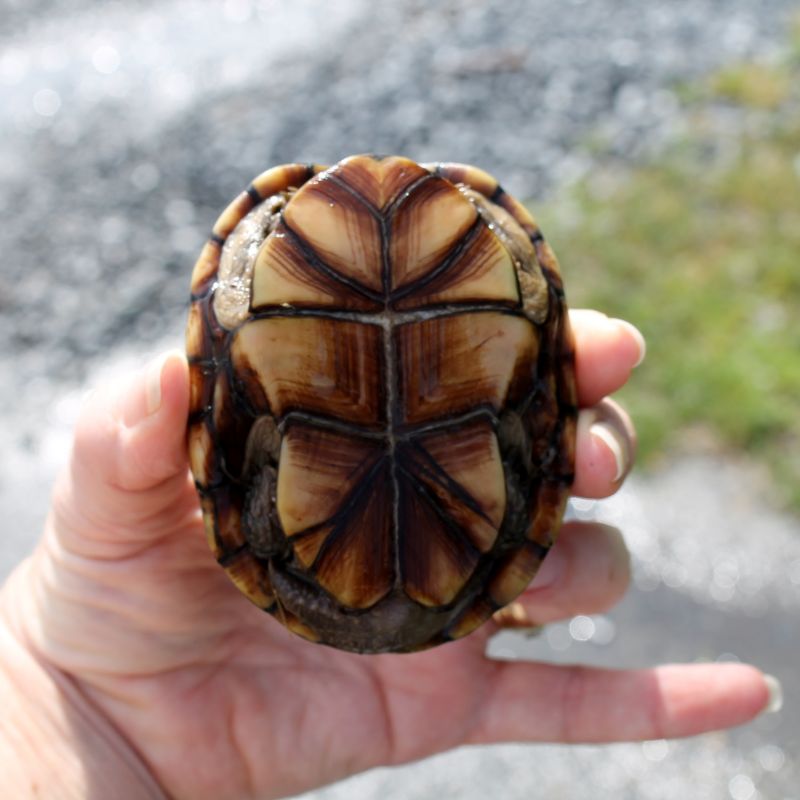

Turtle stress signs at a glance
Use this table as a quick first check. One mild sign for a short time may happen after a tank change or move. Multiple signs, severe signs, or signs that continue should be taken seriously.
| Sign | Possible meaning | First thing to check |
|---|---|---|
| Not eating | Stress, wrong temperature, diet problem, illness, seasonal slowdown | Water temperature, basking temperature, recent changes, illness signs |
| Constant hiding | Fear, lack of security, new environment, bullying, illness | Hides, tank location, tank mates, noise, lighting |
| Glass surfing | Trying to escape poor conditions, cramped space, reflection, breeding behavior | Tank size, water quality, visual barriers, enrichment |
| Lethargy | Stress, cold water, illness, poor UVB, low energy | Temperatures, appetite, breathing, eyes, shell condition |
| Hissing or snapping | Fear response, defensive behavior, overhandling | Handling routine, tank disturbance, approach style |
| Too much basking | Cold water, illness, poor water quality, respiratory issue | Water temperature, breathing, swimming balance |
| Avoiding basking | Unsafe basking area, wrong heat, no privacy, illness | Basking platform, temperature, UVB placement, tank traffic |

How to tell stress from illness
Stress and illness can look similar. A turtle that hides for a day after a move may simply need time. A turtle that hides, refuses food, has swollen eyes, and breathes with its mouth open needs a reptile vet.
Think of stress signs as a warning system. They tell you to check the habitat first, then check the turtle’s body, behavior, breathing, shell, eyes, appetite, and swimming.
| More likely stress | More likely illness or injury |
|---|---|
| Started after a move, new tank, cleaning, loud event, or handling | Started without a clear environmental trigger |
| Turtle still swims normally and reacts normally | Turtle floats unevenly, cannot dive, or has trouble swimming |
| Appetite returns after temperatures and privacy improve | Refuses food for several days and also looks weak |
| Hides but has clear eyes and normal breathing | Swollen eyes, nasal bubbles, mucus, wheezing, or open-mouth breathing |
| Shell looks normal | Soft areas, white patches, red areas, wounds, cracks, smell, or pitting |
Common turtle stress signs
Not eating or eating less
A turtle that suddenly stops eating may be stressed by a new home, wrong temperature, dirty water, overhandling, tank mate bullying, or a diet problem. Not eating can also be a sign of illness.
Check the water temperature, basking temperature, water quality, and recent changes. Offer the right food for the species and life stage. For more detail, see our guide on why a turtle is not eating.
Hiding all the time
Hiding is normal when a turtle is new, startled, or resting. It becomes a concern when the turtle hides constantly and stops normal basking, swimming, feeding, or exploring.
Add safe hiding places, visual cover, plants, driftwood, and a calm tank location. Do not force the turtle out of hiding unless you need to check for illness or injury.
Glass surfing or trying to escape
Glass surfing means repeated swimming, pacing, or scratching along the tank wall. It often means the turtle is trying to move away from something or does not understand the clear barrier.
Common triggers include a small tank, dirty water, wrong temperature, reflection, no hiding places, a new enclosure, or too much activity outside the glass.
Try a larger enclosure, better filtration, partial visual barriers, more plants, and a calmer tank location. Use our turtle tank size calculator if the tank may be too small.
Lethargy or unusual stillness
Lethargy means the turtle is much less active than usual. Cold water, poor basking heat, poor UVB, illness, injury, poor diet, and chronic stress can all make a turtle seem unusually still.
A turtle may bask quietly and still be healthy. The warning sign is a change from normal behavior, especially when lethargy appears with not eating, swollen eyes, mucus, abnormal swimming, or breathing trouble.
Hissing, snapping, or sudden fear response
Hissing is usually a fear response. A turtle may hiss when it pulls into its shell quickly and air leaves the body. Snapping, lunging, or sudden withdrawal can also mean the turtle feels threatened.
Reduce handling, move slowly, and avoid tapping the tank. Let the turtle feel secure before expecting it to feed or bask while you are nearby.
See our guide to turtle hissing for more context.
Excessive basking or avoiding basking
Aquatic turtles need a dry, stable basking area with correct heat and UVB. Too much basking can happen when the water is too cold or uncomfortable. Avoiding basking can happen when the dock feels unsafe, the temperature is wrong, or the turtle feels exposed.
Check the basking surface, heat gradient, UVB placement, ramp access, and water temperature. See our why is my turtle not basking guide if basking behavior changes suddenly.
Self-biting, scratching, or frantic behavior
Self-biting and frantic scratching are not normal routine behaviors. They may relate to severe stress, skin irritation, shell problems, parasites, poor water quality, retained scutes, or injury.
Check the shell, skin, water quality, tank decor, and tank mates. Contact a reptile vet if the behavior continues or if there are wounds, swelling, bleeding, or shell damage.
Common causes of turtle stress

Poor water quality
Dirty water is one of the most common stressors for aquatic turtles. Leftover food, waste, weak filtration, and missed water changes can irritate the eyes, skin, and shell.
Use a strong filter, remove uneaten food, test ammonia and nitrite, and keep up with water changes. Our turtle tank filter guide, tank cleaning guide, and clean tank guide can help.
Wrong water or basking temperature
Turtles are ectotherms. They rely on the environment to regulate body temperature. Water that is too cold can reduce appetite and activity. Water or basking heat that is too hot can also cause stress.
Use thermometers for the water and basking area. Do not guess by touch. Check the correct range for your species.
Tank is too small
A cramped tank can cause stress, poor water quality, fighting, and constant escape behavior. Turtles need room to swim, turn, bask, rest, and avoid tank mates.
A small tank will not keep a turtle small. Plan for adult size. Use the turtle tank size calculator before upgrading.
No hiding places or visual cover
A bare tank can make a turtle feel exposed. Add safe plants, driftwood, caves, and visual barriers so the turtle can retreat without being handled.
Make sure every item is stable, non-toxic, and too large to swallow.
Overhandling

Most turtles do not enjoy being held. Handling is sometimes necessary for cleaning, weighing, health checks, or vet visits, but frequent handling can make a turtle fearful.
When handling is necessary, keep it brief. Support the body, keep the turtle low over a safe surface, and wash your hands afterward.
Bullying or incompatible tank mates
Some turtles should live alone. Chasing, biting, food guarding, stacking that prevents basking, or one turtle constantly hiding from another are warning signs.
Separate turtles that fight or show ongoing dominance behavior. Do not mix species unless you have expert guidance and enough space to manage risk.
Sudden changes
A new tank, new home, major cleaning, new decor, new tank mate, or sudden diet change can stress a turtle. Many turtles need days or weeks to settle after a major change.
Change one thing at a time when possible. Keep temperatures, lighting, and feeding routine consistent while the turtle adjusts.
Illness or injury
Illness and injury create physical stress. A sick turtle may hide, refuse food, bask more than usual, swim poorly, or become defensive when touched.
Do not assume every behavior problem is emotional stress. Check for swollen eyes, mucus, shell damage, wounds, abnormal swimming, poor appetite, weight loss, and breathing changes.
How to calm a stressed turtle
Helping a stressed turtle starts with fixing the cause. Do not force interaction. Make the habitat safer, cleaner, calmer, and more predictable.
- Check temperatures. Measure water, basking, warm side, and cool side with reliable thermometers.
- Test water quality. Check ammonia, nitrite, nitrate, pH, and chlorine when water quality may be part of the problem.
- Improve filtration. Use a filter that can handle turtle waste and remove uneaten food quickly.
- Make basking easy. Provide a dry, stable platform that lets the turtle climb out fully.
- Use proper UVB. Replace UVB bulbs on schedule and place them at the correct distance for the bulb type.
- Add hiding spots. Give the turtle plants, caves, driftwood, and visual cover.
- Reduce handling. Handle only when needed for care, cleaning, or health checks.
- Move the tank to a calmer area. Avoid loud speakers, tapping, heavy foot traffic, and constant disturbance.
- Separate bullies. Remove tank mates if chasing, biting, stacking, or food guarding continues.
- Give it time. A newly moved turtle may need days or weeks before it eats and basks normally.
For a complete setup review, use our turtle tank setup guide, turtle dock guide, heat lamp guide, and UVB bulb guide.
Turtle stress checklist
Use this checklist before assuming the turtle is just shy or difficult.
| Question | Why it matters |
|---|---|
| Is the water clean and filtered? | Dirty water can irritate the turtle and increase illness risk. |
| Is the tank large enough? | Cramped space can cause glass surfing and poor water quality. |
| Is there a stable basking platform? | The turtle needs a dry place to warm up and dry the shell. |
| Is the basking area the right temperature? | Wrong heat can change appetite, activity, and basking behavior. |
| Is the water temperature correct? | Cold water can reduce appetite and activity. |
| Is there UVB lighting? | UVB supports calcium metabolism, shell health, and normal behavior. |
| Are there hiding places? | Cover helps a turtle feel secure. |
| Is the turtle being handled often? | Frequent handling can make many turtles fearful. |
| Are tank mates causing stress? | Bullying can make one turtle hide, stop eating, or avoid basking. |
| Are there illness signs? | Stress signs can overlap with disease. |
Myths about turtle stress
| Myth | Better answer |
|---|---|
| Turtles are simple pets that do not get stressed. | Turtles can become stressed when habitat, handling, health, or routine is wrong. |
| A turtle that hides all day is just lazy. | Constant hiding can mean fear, illness, bullying, or poor setup. |
| Handling makes turtles friendlier. | Most turtles tolerate handling at best. Many find it stressful. |
| Hissing means a turtle is mean. | Hissing is usually a fear response or air leaving as the turtle withdraws. |
| A small tank keeps a turtle small. | A small tank creates stress and poor water quality. It does not create healthy growth control. |
| Glass surfing is always normal. | Occasional activity can be normal, but constant glass surfing often means the turtle is trying to escape or is responding to poor conditions. |
Explaining turtle stress to kids

Turtles can feel scared or unsafe, even though they do not bark, cry, or whine. A turtle may hide in its shell, swim away, stop eating, or hiss when it feels afraid.
Kids can help a turtle feel safe by watching quietly, not tapping the glass, not picking the turtle up without an adult, and giving the turtle space to eat, swim, bask, and hide.
A simple rule works well. Watch more and handle less.
When to see a vet

Contact a reptile vet if stress signs continue after you fix the habitat or if the turtle shows any sign that could be illness or injury.
- Refuses food for several days and is not in a normal seasonal slowdown
- Has swollen eyes or eyes that stay closed
- Has bubbles, mucus, or discharge from the nose or mouth
- Breathes with the mouth open
- Wheezes, gasps, or stretches the neck to breathe
- Floats unevenly or cannot dive
- Has shell cracks, white patches, red areas, soft areas, pitting, wounds, or bad smell
- Shows sudden weakness, weight loss, or severe lethargy
- Is bitten by a tank mate
- Is injured during a fall, escape, or handling accident
Do not treat suspected respiratory infection, shell rot, metabolic bone disease, deep wounds, or eye swelling with home care alone. See our turtle first aid guide, shell rot guide, turtle respiratory infection guide, and metabolic bone disease guide.
Also wash your hands after handling turtles, turtle food, tank water, filters, decor, and cleaning equipment. Reptiles can carry germs even when they look healthy.
Related AllTurtles guides
- Why Is My Turtle Not Eating?
- Why Do Turtles Hiss?
- Turtle Tank Setup Guide
- Turtle Tank Size Calculator
- Turtle Basking Guide
- Why Is My Turtle Not Basking?
- Best Filter for Turtle Tank
- What Do Turtles Eat?
- Turtle First Aid
- Shell Rot in Turtles
- Turtle Respiratory Infections
Frequently asked questions
How do I know if my turtle is stressed?
A stressed turtle may stop eating, hide constantly, glass surf, try to escape, hiss, withdraw quickly, bask too much, avoid basking, or become unusually inactive. The most important clue is a clear change from the turtle’s normal behavior.
What should I do if my turtle is stressed?
Check the habitat first. Test water quality, confirm water and basking temperatures, make sure UVB is available, add hiding places, reduce handling, and check whether the tank is too small or too busy. If signs continue or illness signs appear, call a reptile vet.
Why is my turtle glass surfing?
Glass surfing can mean the turtle is trying to escape poor conditions, reacting to a reflection, looking for more space, responding to breeding behavior, or feeling disturbed by activity outside the tank. Check tank size, water quality, temperature, hiding places, and visual barriers.
Can stress make a turtle stop eating?
Yes. Stress from a move, wrong temperature, dirty water, overhandling, tank mate bullying, or lack of privacy can reduce appetite. Not eating can also be a sign of illness, so check for swollen eyes, mucus, breathing trouble, weakness, or abnormal swimming.
Is handling stressful for turtles?
Handling is stressful for many turtles. Most turtles are better observed than held. Handle only when needed for cleaning, health checks, weighing, or vet care, and keep sessions brief and gentle.
Why is my turtle hiding all the time?
A turtle may hide because it is new, scared, exposed, bullied, too cold, sick, or disturbed by noise and activity. Add cover and hides, reduce handling, check temperatures and water quality, and watch for illness signs.
Can stress make a turtle sick?
Chronic stress can weaken overall health and make husbandry problems worse. Dirty water, poor diet, wrong temperatures, lack of UVB, and cramped housing can also lead to real illness, so long-term stress signs should not be ignored.
When should a stressed turtle see a vet?
See a reptile vet if stress signs do not improve after setup corrections or if the turtle has swollen eyes, mucus, open-mouth breathing, wheezing, uneven floating, shell wounds, shell odor, weight loss, severe lethargy, or ongoing refusal to eat.
Sources and further reading
- VCA Animal Hospitals, Common Diseases of Aquatic Turtles
- PetMD, Aquatic Turtle Care Sheet
- MedVet, Aquatic Turtle Care Recommendations
- Reptiles Magazine, Keeping Your Turtle Healthy by Tom Greek, DVM
- Edgeworth Animal Medical Centre, Recognising Signs of Stress in Reptiles
- Fazio et al., Handling and Transport Stress in Tortoises
- CDC, Reptiles and Amphibians Healthy Pets Guidance
Final thoughts
Turtle stress signs are usually behavior changes. A turtle that stops eating, hides constantly, glass surfs, hisses, or becomes unusually inactive is telling you something needs attention.
Start with the habitat. Clean water, correct temperatures, UVB, basking access, hiding spots, enough space, and minimal handling solve many stress problems. If behavior does not improve or medical signs appear, contact a reptile vet.